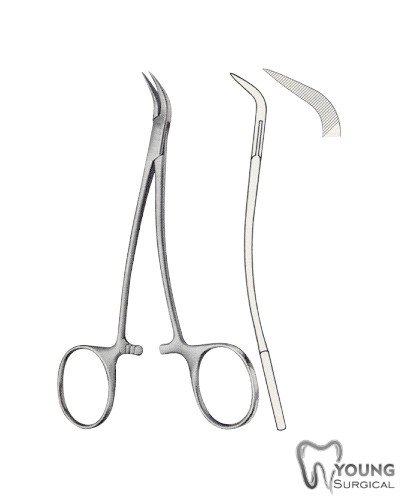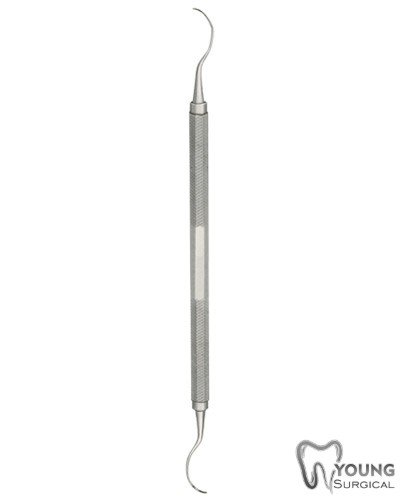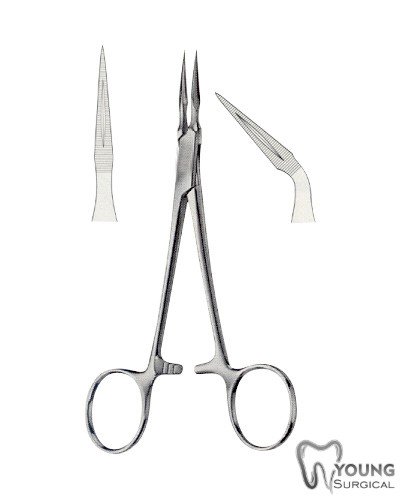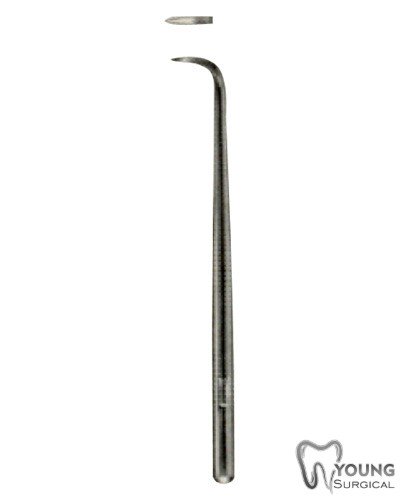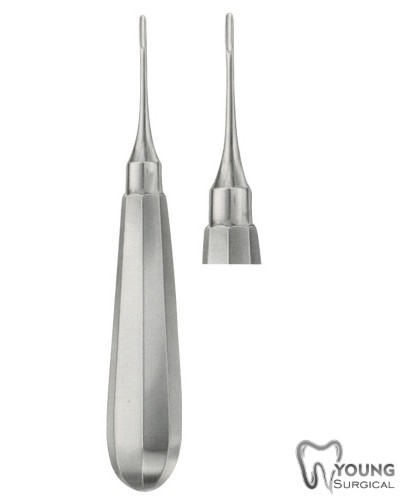
Elevators
Technical Specifications
Elevators are vertical transportation systems designed to move people and goods between floors in buildings. They consist of a car (cab) that travels along guide rails within a shaft, powered by electric motors or hydraulic systems. Modern elevators feature advanced control systems, safety brakes, and door sensors for reliable operation. Key components include the hoistway, counterweight, and controller. Elevators are essential in multi-story buildings for accessibility and efficiency, with capacities ranging from small residential lifts to heavy-duty freight elevators. They come in various types: traction (cable-driven) for high-rise buildings, hydraulic for low- to mid-rise, and machine-room-less (MRL) for space-saving installations. Innovations like destination dispatch and regenerative drives improve energy efficiency and reduce wait times. Safety standards (e.g., ASME A17.1/CSA B44) ensure compliance, with features like emergency communication and fire service operation. Prices vary based on capacity, speed, travel height, and customization. A basic residential elevator starts around $20,000, while commercial systems can exceed $100,000. Installation costs depend on shaft construction and building modifications. Regular maintenance is crucial for longevity and safety. Elevators are integral to modern architecture, enabling vertical urban development and inclusive access for all users.
Usage & Handling
Checkout & Payment
Add to cart and checkout. Our team will contact you as soon as possible for payment, order confirmation and delivery details
Clinical Application
Designed for precision medical use. Follow standard clinical protocols for handling.
Sterilization
Fully autoclavable. Maintain clinical integrity through ultrasonic cleaning and sterilization.
Certified Precision Standards
Related products