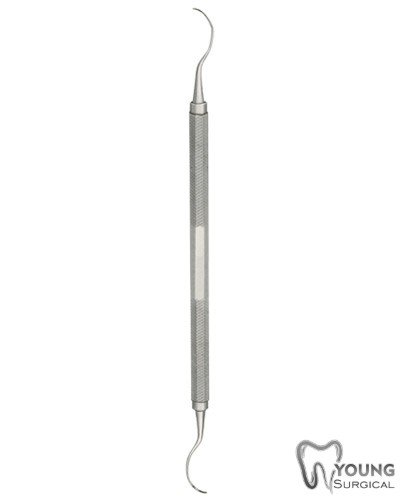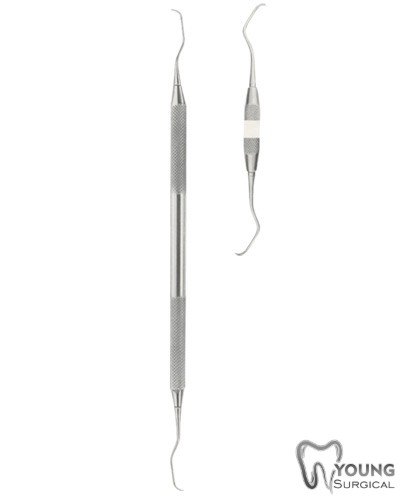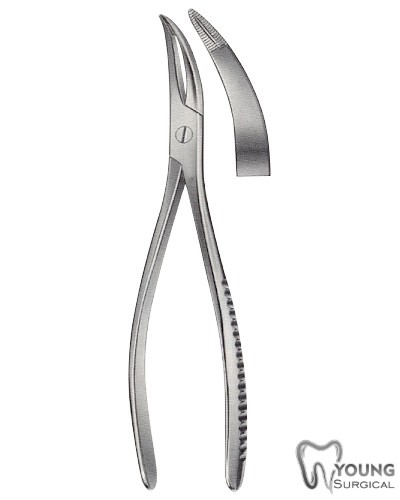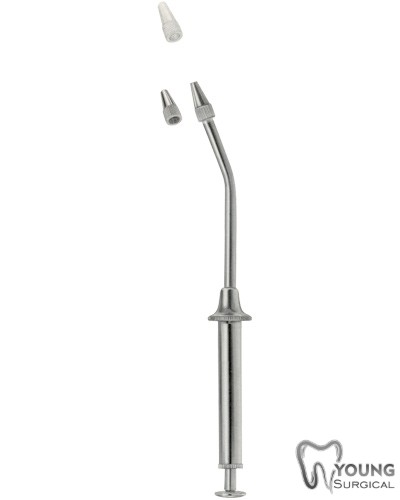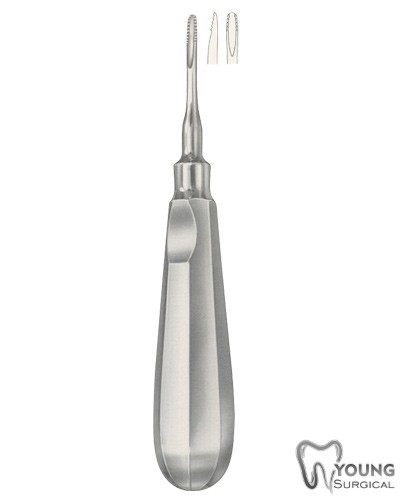
Elevators
Technical Specifications
Elevators are vertical transportation systems designed to move people and goods between floors in buildings. Modern elevators combine advanced engineering with safety features to provide efficient and reliable service. They consist of a car, counterweight, guide rails, and a hoisting mechanism powered by electric motors. Key components include control systems, door operators, safety brakes, and emergency communication devices. Elevators come in various types: traction elevators use ropes and counterweights for high-rise buildings, while hydraulic elevators use pistons for low-rise applications. Machine-room-less (MRL) designs save space by integrating machinery within the shaft. Smart elevators feature destination dispatch systems that group passengers by floor, reducing wait times. Energy-efficient models regenerate power during braking. Capacity ranges from small residential models (250 kg) to heavy-duty freight elevators (10,000+ kg). Safety certifications ensure compliance with codes like ASME A17.1. Modern elevators include touchless controls, antimicrobial surfaces, and advanced air filtration. Prices vary widely based on capacity, speed, and features, with basic residential elevators starting around $20,000.
Usage & Handling
Checkout & Payment
Add to cart and checkout. Our team will contact you as soon as possible for payment, order confirmation and delivery details
Clinical Application
Designed for precision medical use. Follow standard clinical protocols for handling.
Sterilization
Fully autoclavable. Maintain clinical integrity through ultrasonic cleaning and sterilization.
Certified Precision Standards
Related products