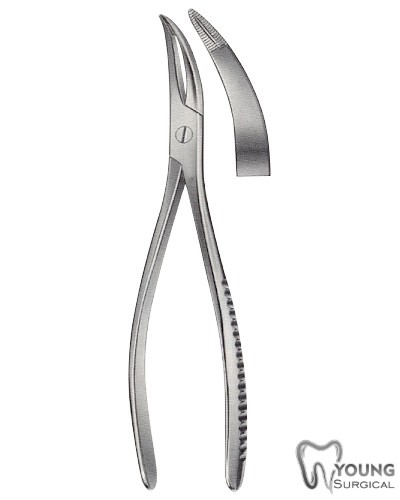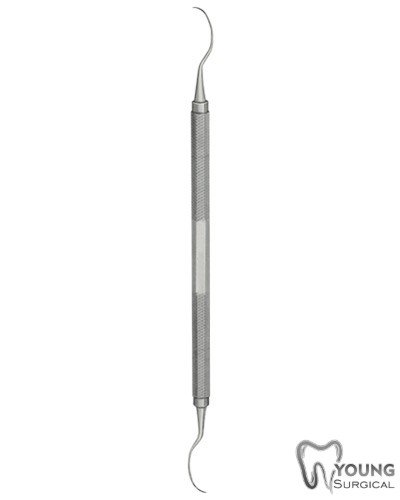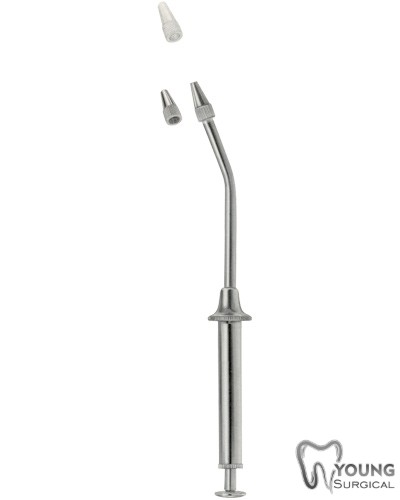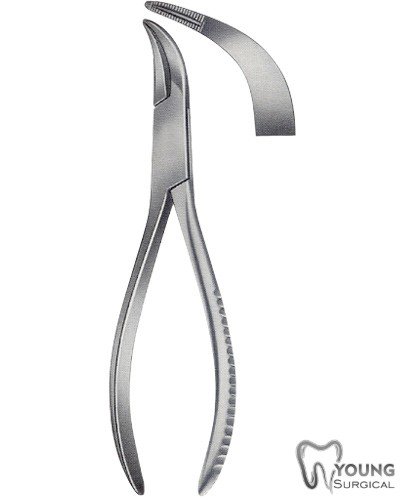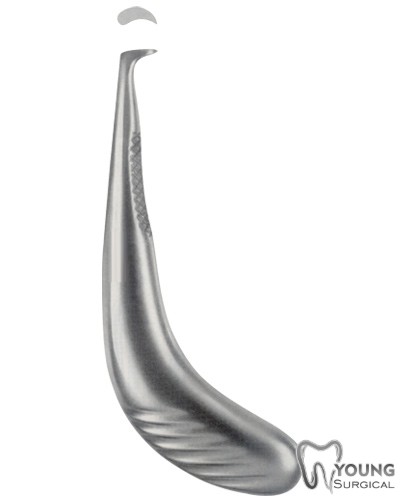
Elevators
Technical Specifications
Elevators are vertical transportation systems that move people and goods between floors in buildings. They consist of a car or platform that travels along guide rails, powered by electric motors or hydraulic systems. Modern elevators offer advanced features like destination dispatch, regenerative drives for energy efficiency, and smart connectivity for real-time monitoring. Safety is paramount, with redundant braking systems, door sensors, and emergency communication devices. Elevators come in various types: traction (for high-rise buildings), hydraulic (for low-to-mid-rise), machine-room-less (compact design), and pneumatic (for residential use). Customizable interiors include lighting, mirrors, and touchless controls. Essential for accessibility, elevators comply with ADA standards and can be retrofitted for existing structures. They range from basic models for small apartments to high-speed units for skyscrapers (over 20 m/s). Installation costs vary widely based on capacity (500-5,000 kg), travel height, and finishes. Annual maintenance contracts ensure reliability. Elevators enhance property value and convenience, making them indispensable in urban environments.
Usage & Handling
Checkout & Payment
Add to cart and checkout. Our team will contact you as soon as possible for payment, order confirmation and delivery details
Clinical Application
Designed for precision medical use. Follow standard clinical protocols for handling.
Sterilization
Fully autoclavable. Maintain clinical integrity through ultrasonic cleaning and sterilization.
Certified Precision Standards
Related products