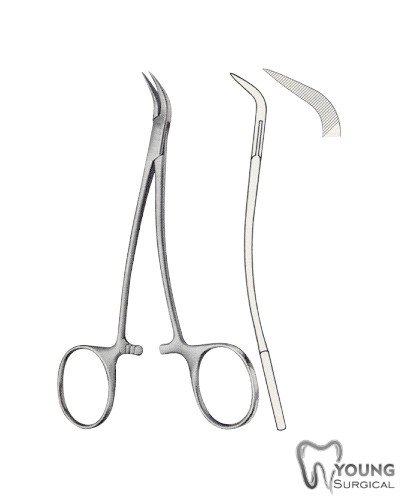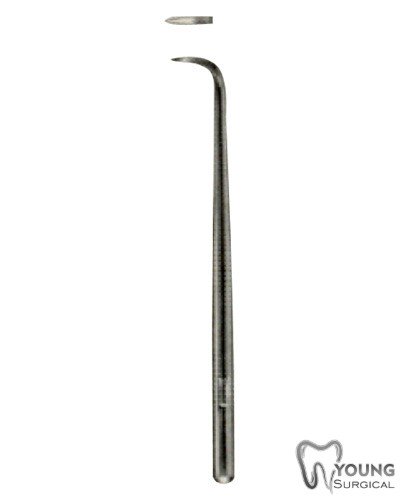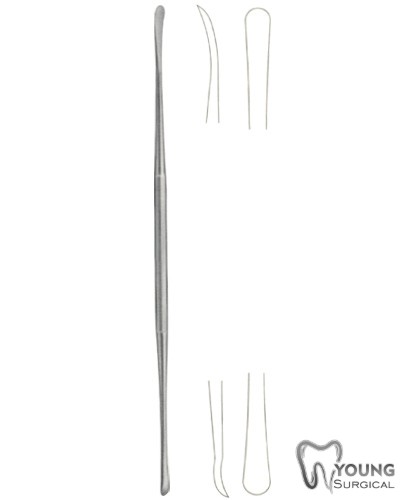
Elevators
Technical Specifications
Elevators are vertical transportation systems designed to move people and goods efficiently between floors in buildings. They consist of a car (cabin) that travels within a shaft, guided by rails, and powered by electric motors or hydraulic systems. Modern elevators feature advanced control systems, safety mechanisms like brakes and emergency brakes, and user-friendly interfaces such as touchscreens or buttons. They come in various types, including passenger, freight, residential, and panoramic elevators. Key components include the hoistway, machine room, controller, and safety devices. Elevators enhance accessibility, save time, and increase property value. They are essential in high-rise buildings, malls, hospitals, and airports. Maintenance and regular inspections ensure safety and reliability. Energy-efficient models with regenerative drives reduce power consumption. Smart elevators use AI to optimize traffic flow and reduce wait times. Customizable options include different cabin sizes, materials, lighting, and finishes. Installation requires compliance with local codes and standards. Elevators are vital for modern infrastructure, providing convenience and mobility for all users.
Usage & Handling
Checkout & Payment
Add to cart and checkout. Our team will contact you as soon as possible for payment, order confirmation and delivery details
Clinical Application
Designed for precision medical use. Follow standard clinical protocols for handling.
Sterilization
Fully autoclavable. Maintain clinical integrity through ultrasonic cleaning and sterilization.
Certified Precision Standards
Related products